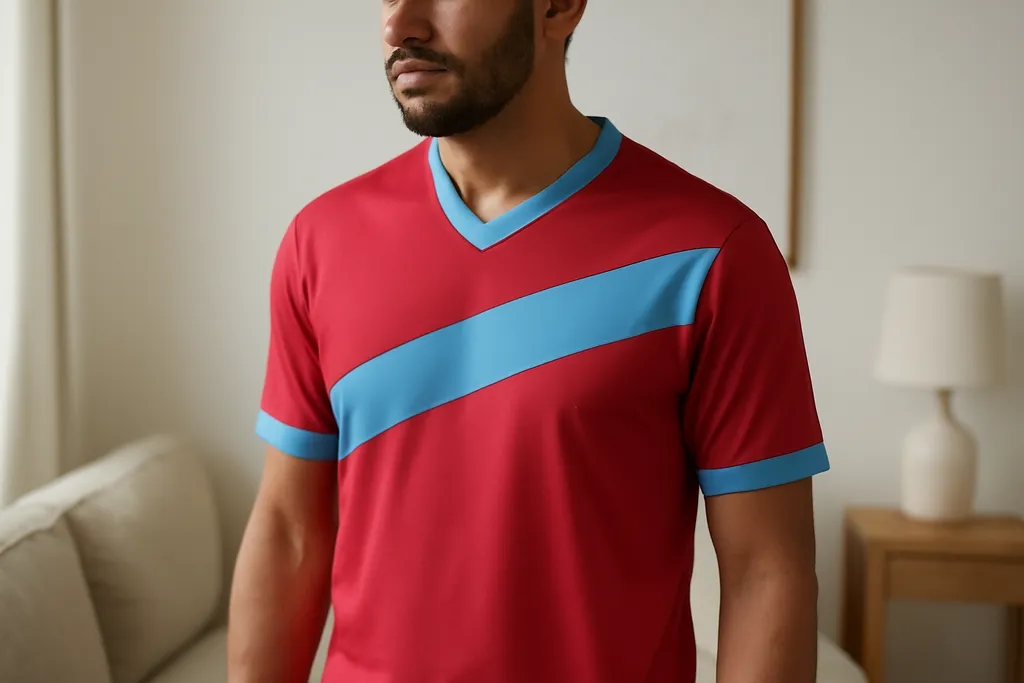
Why Layering Matters in a Cold Rink
If you spend time in a chilly arena, the right layering under hockey jersey can make a big difference in comfort. Rinks often feel colder than expected, especially when you are sitting for long periods or moving between warm-ups and breaks. The goal is to stay warm without adding bulk that limits mobility.
A good setup should help manage temperature, reduce stiffness, and avoid scratchy fabrics that become distracting once you are settled in. Think in terms of thin, comfortable layers that work together instead of one oversized garment doing all the work.
Start with a Base Layer
The foundation of layering under a hockey jersey is usually a close-fitting base layer. Lightweight synthetic tops or moisture-wicking thermal shirts are common choices because they help move sweat away from the skin while still adding warmth. If you prefer natural fibers, some people choose merino wool for its soft feel and temperature regulation.
Look for a base layer with smooth seams and a snug but not restrictive fit. A shirt that bunches at the shoulders or elbows can interfere with how the jersey drapes and may feel uncomfortable under pads or jackets.
When a T-Shirt Is Enough
For mild rink conditions, a standard long-sleeve T-shirt may be all you need under a hockey jersey. This can be a practical option if you want a simple layer without extra insulation. Cotton can feel comfortable at first, but it tends to hold moisture, so it is best for dry conditions or shorter visits to the rink.
If you are likely to warm up quickly once the session starts, a T-shirt can be a good middle ground. It keeps the look clean and avoids the heavier feel that comes with thicker layers.
Browse our recommended gear
Our featured picks refresh periodically. While we update them, our editorial buying guides can help you find the right jersey.
See our buying guidesHoodies and Mid-Layers: Use with Caution
A thin hoodie or lightweight fleece can work for very cold rinks, but bulk becomes the main concern. A bulky mid-layer may change the fit of the jersey, pull at the neckline, or make movement less natural. If you choose a hoodie, look for one that is slim, soft, and not overly thick around the shoulders.
Many people prefer a crewneck sweatshirt or thin fleece top instead of a full hoodie because it sits flatter under the jersey. That can be especially helpful if you are wearing the jersey during activity rather than only as casual fanwear.
Fit, Fabric, and Comfort Tips
When choosing layering under hockey jersey, focus on fabric and fit before anything else. Breathable materials help regulate temperature, while smooth, stretchy construction makes it easier to move. Flat seams can also reduce irritation if you are wearing the jersey for a long stretch of time.
Try to avoid layers with large graphics, thick collars, or rough textures that may show through or feel bulky. If you are between sizes on a jersey, the extra room may allow for a warmer underlayer without making the outfit feel tight.
A Simple Cold-Rink Outfit Formula
A reliable cold-rink setup is often a moisture-wicking base layer paired with the jersey itself. If the arena is especially cold, add a lightweight mid-layer beneath the jersey and keep the rest of the outfit simple. That approach gives you flexibility without overcomplicating your wardrobe.
The best choice depends on how cold the rink feels to you, how active you will be, and whether comfort or maximum warmth matters more. By choosing layers that are thin, breathable, and easy to move in, you can stay comfortable while still wearing your hockey jersey the way you want.