Why Heat Can Be Hard on Jerseys
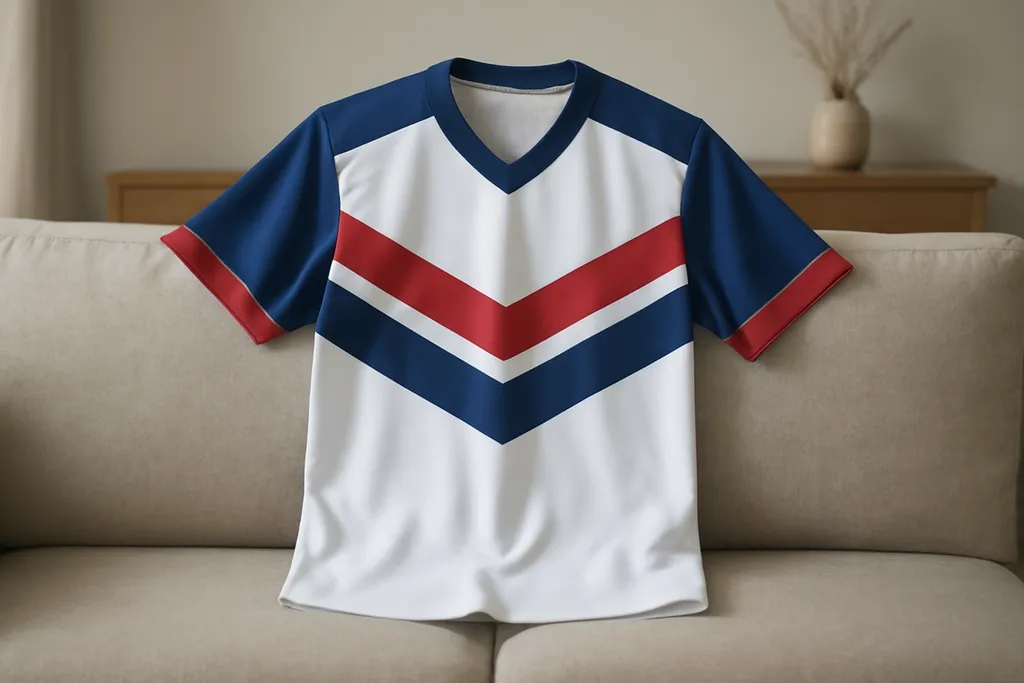
If you are looking for how to dry a jersey without heat damage, the safest answer is usually to avoid high temperatures altogether. Many jerseys use printed numbers, heat-applied graphics, mesh panels, or lightweight synthetic fabrics that can wrinkle, fade, crack, or distort when exposed to hot air. Even if a dryer cycle seems convenient, repeated heat exposure can shorten the life of the garment and affect how it looks on game day.
Air-drying is the simplest way to protect the fabric while keeping the shape, lettering, and trim intact. It also reduces the chance of shrinkage, which can be especially noticeable on fitted styles. The goal is to remove moisture gently and evenly, not to rush the process with heat.
Start With the Right Wash Cycle
Drying starts before the jersey leaves the washer. A gentle wash cycle helps reduce stress on seams, numbers, and stitched areas, so the garment arrives at the drying stage in better condition. Using cold water is often a good choice for color preservation, while a mild detergent can help clean the fabric without leaving heavy residue.
After washing, avoid twisting or wringing the jersey aggressively. That can stretch the material or put pressure on printed details. Instead, press out excess water carefully by hand or with a clean towel. The less strain the jersey takes early on, the easier it is to dry it safely later.
Use Towel Drying to Remove Moisture
A clean, dry towel can speed up air-drying without introducing heat. Lay the jersey flat on the towel, roll the towel and jersey together, and press gently to absorb extra water. This method is useful when you want to reduce dripping before hanging the garment.
Be careful not to fold printed numbers or logo areas in a way that creates sharp creases. If the jersey has heavy decoration or patches, support it evenly so the weight of the wet fabric does not pull on those spots. Towel drying is not meant to finish the job, but it can make the rest of the process more efficient.
Browse our recommended gear
Our featured picks refresh periodically. While we update them, our editorial buying guides can help you find the right jersey.
See our buying guidesHang or Lay Flat for Safe Air-Drying
The best method often depends on the jersey’s fabric and construction. Lightweight jerseys can usually be hung on a padded hanger or clothesline in a shaded, well-ventilated area. If the garment is heavier or has delicate graphics, laying it flat on a drying rack may help prevent stretching.
Keep the jersey out of direct sunlight when possible. Sun can contribute to fading over time, especially on bright colors and printed designs. Good airflow matters more than heat, so a room with moving air is often better than a hot spot near a vent or radiator. Flip the jersey occasionally if it is drying flat so both sides dry evenly.
What to Avoid While Drying
When learning how to dry a jersey without heat damage, it helps to know what not to do. Avoid high dryer settings, because even brief exposure can be enough to soften prints or affect embellishments. Also avoid ironing directly on numbers, names, or graphics unless the care instructions clearly allow it.
Do not place a damp jersey on a heater, over a vent, or in direct contact with a hot surface. These shortcuts can create uneven drying, stiff spots, or visible marks. Patience is usually the safest approach, especially for jerseys you want to keep looking clean and crisp.
Simple Habits That Help Jerseys Last Longer
Once the jersey is dry, store it in a cool, dry place and avoid packing it tightly with rough fabrics or heavy gear. If you wash jerseys often, consider turning them inside out before washing to reduce abrasion on the outer surface. Gentle care at each step helps preserve the look and feel of the garment over time.
Air-drying may take longer than using a dryer, but it is one of the most reliable ways to protect a jersey from heat damage. With the right combination of careful washing, towel drying, and good airflow, you can keep the fabric and details in better shape for longer.