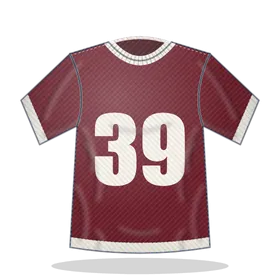
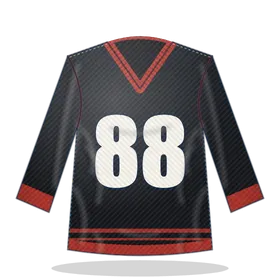
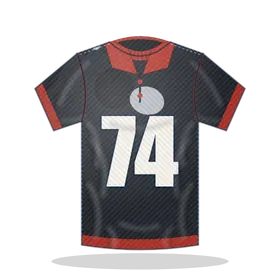
Here is how to fold a jersey so the collar and the print stay flat. Mesh and rib-knit jerseys are best folded; details follow below.
Lay it flat
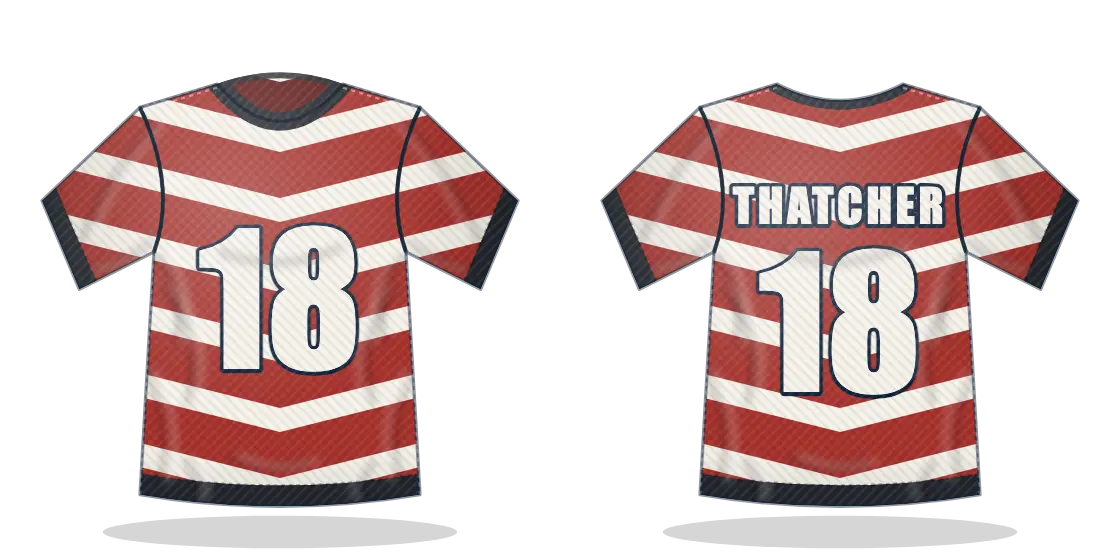
Place the jersey face down on a clean surface and smooth out wrinkles.
Fold the sides in
Fold each side toward the middle, sleeves along with it, so the back becomes a narrow rectangle.
Fold up from the hem
Fold the hem up to the collar. Fold gently so the collar is not creased.
Store flat
Keep it in a drawer or box, away from sunlight, with tissue paper between jerseys for long-term storage.
How a jersey is stored between wears matters almost as much as how it's washed. The wrong hanger can stretch a collar out of shape, and direct sunlight can fade colors even without a single wash. None of this takes special equipment — just a few habits worth building.
Fold rather than hang for mesh and rib-knit jerseys
Mesh bodies and rib-knit collars can stretch out of shape on a standard hanger over months of storage, especially in a full closet where garments press against each other. Folding flat, with the collar laid naturally rather than creased sharply, keeps the shape intact for most jerseys.
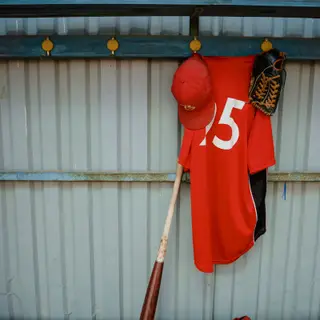
Structured jerseys can be hung, with care
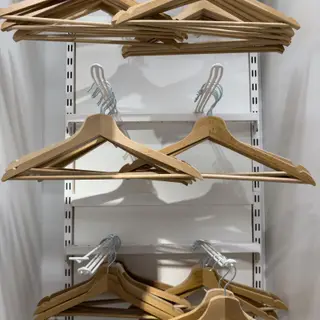
Button-front jerseys with more structure, like many baseball styles, tend to hold up better on a hanger than pullover mesh styles. Use a broader hanger shape rather than a thin wire one, which can leave shoulder indentations over time.
Keep jerseys out of direct sunlight
UV exposure fades dyed fabric gradually, even through a window. If you display or store a jersey somewhere with natural light, rotate it periodically or choose a spot out of direct sun, especially for brighter colorways that show fading more visibly.
Separate jerseys with tissue paper for long-term storage
If you're storing several jerseys together for an extended period, a layer of acid-free tissue paper between them prevents printed numbers or logos from transferring pressure marks onto the jersey stacked against them. This matters most for jerseys you don't rotate through regularly.
Watch humidity in storage areas
Basements and attics can trap humidity that encourages mildew on fabric, particularly if a jersey is stored while even slightly damp. Make sure any jersey is fully dry before long-term storage, and choose a storage location with reasonably stable humidity when possible. A small silica gel packet inside a storage box is a simple, low-cost way to absorb excess moisture in a humid space.
Protect against pests without mothballs
Traditional mothballs can leave a lingering chemical smell in fabric and aren't necessary for most home storage situations. A cedar block or a lavender sachet placed near — not directly against — stored jerseys is a gentler way to discourage moths and other fabric pests while storing multiple items together for a season or longer.
Packing a jersey for travel
If you're bringing a jersey on a trip, fold it along its natural seams rather than compressing it tightly, and pack it toward the top of a bag where it won't be crushed under heavier items. A packing cube or a simple garment bag keeps it separated from shoes or toiletries that could transfer odor or moisture during transit.
Rotate jerseys you wear often
A jersey that's folded the same way in the same spot for months can develop a persistent crease along the fold line. If you wear a particular jersey regularly, occasionally refolding it along a slightly different line — or hanging it briefly between wears if it's a structured style — helps prevent a permanent crease from setting into the fabric.