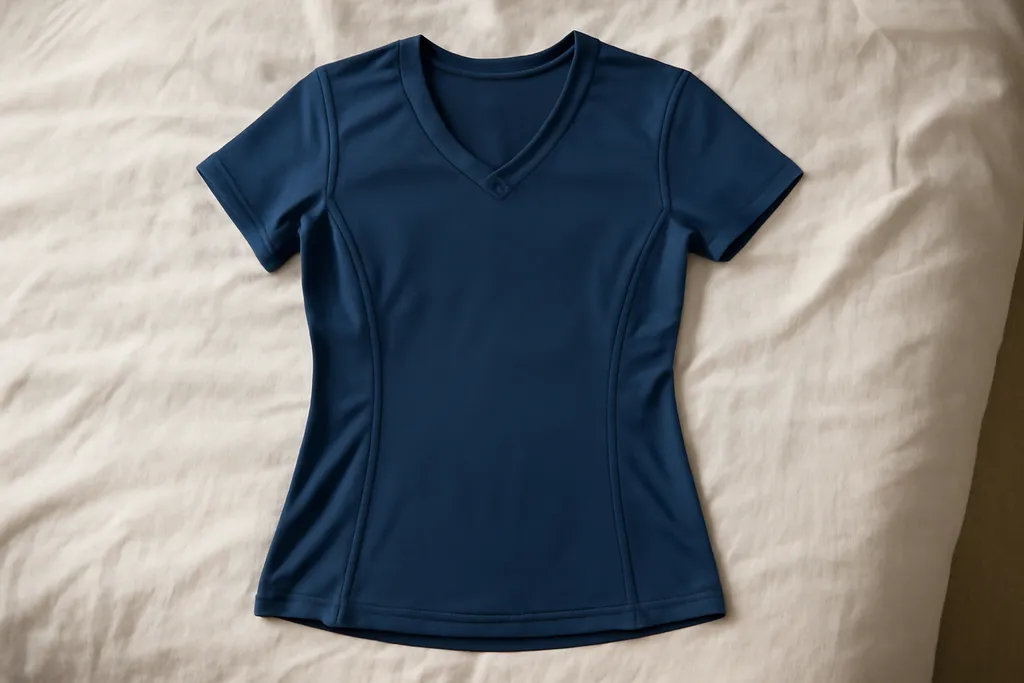
"Women's fit" on a jersey listing can mean several different things depending on the brand, and it's not always obvious from the product photos alone. Understanding what typically changes between a women's-cut and a standard unisex jersey makes it easier to pick the right one.
Shoulder width and armhole placement usually change first
Women's-cut jerseys typically narrow the shoulder seam and armhole placement compared to a unisex cut, which is designed around a broader average shoulder width. This is often the most noticeable difference in how the jersey sits, even before considering overall body shape.
Length is often shorter and more tailored through the body
Many women's-fit jerseys run shorter in overall length and follow the waist more closely than a unisex jersey, which tends to be cut straighter throughout. Whether this suits you comes down to personal preference for a more fitted versus a more relaxed silhouette.
Browse our recommended gear
Our featured picks refresh periodically. While we update them, our editorial buying guides can help you find the right jersey.
See our buying guidesNot every "women's fit" is cut the same way
Because there's no single industry standard for what "women's fit" means, one brand's women's-cut jersey can differ meaningfully from another's. Reading the actual size chart and, where available, garment measurements matters more here than for standard unisex sizing.
Unisex sizing is still a completely valid choice
Plenty of fans prefer the fuller, more relaxed fit of a standard unisex jersey regardless of gender, and there's no requirement to choose a women's-cut option. It comes down to which silhouette you actually want to wear, not which one is labeled for you.
When sizing between two options, check the chest measurement first
If you're between sizes on a women's-cut jersey, the chest measurement (flat, doubled) against the listing's specific chart is a more reliable starting point than comparing to your usual T-shirt size, since jersey cuts vary more than basic T-shirts do.
How to measure yourself for the best fit
Lay a similar-fitting top you already own flat and measure it side to side just under the armholes, then double that number for a rough chest measurement, or measure yourself directly with a soft tape measure around the fullest part of the chest. Compare that number to the specific listing's chart rather than your usual clothing size, since a women's-cut jersey's proportions won't necessarily match a regular T-shirt or blouse size from the same brand.
Browse our recommended gear
Our featured picks refresh periodically. While we update them, our editorial buying guides can help you find the right jersey.
See our buying guidesLayering under a women's-cut jersey
Because women's-cut jerseys often run more fitted through the body, a bulky base layer underneath can distort the intended silhouette more noticeably than it would on a looser unisex cut. A thin, fitted long-sleeve layer works better for cold-weather games if you want to keep the tailored shape the cut is designed around.
If you're between standard chart sizes
Petite and plus-size fans sometimes find that a women's-cut jersey's chest and length measurements don't scale evenly at the smallest or largest listed sizes. In that case, prioritize the chest measurement over the length, since length is easier to adjust for personally (tucking, knotting) than a chest that's genuinely too tight or too loose.
Frequently asked questions
Do women's jerseys cost more than unisex versions? Pricing depends on the specific listing and retailer rather than the cut itself — always check the current listing directly.
Can I return a jersey if the women's cut doesn't fit as expected? Return policies vary by seller, so it's worth checking the specific listing's return policy before buying, especially across brands you haven't purchased from before.
Is a women's-cut jersey true to size compared to men's sizing in the same brand? Not automatically — treat it as its own size chart rather than assuming a direct conversion, since the cut itself (not just the numbering) changes.