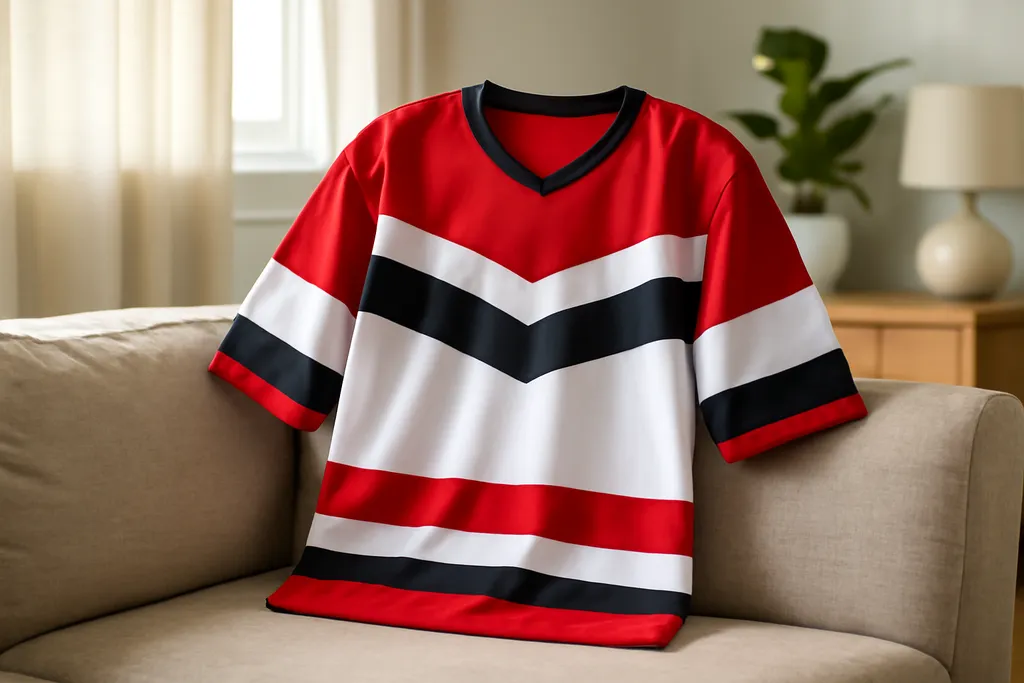
Why Football Jerseys Fit Differently
If you have ever tried on a football jersey and noticed that it feels roomier than a T-shirt or soccer top, there is a good reason. Football jerseys are designed around the reality of shoulder pads, which add bulk across the upper body and change the way the fabric drapes. That extra space helps the jersey move with the wearer instead of pulling tight across the chest, shoulders, and arms.
For shoppers searching for football jersey fit shoulder pads, the key idea is simple: the jersey is usually built to sit over protective gear first, and to look good on its own second. That design choice affects everything from sleeve length to how the hem falls when you sit, stand, or move your arms.
How Shoulder Pads Change the Silhouette
Shoulder pads widen the upper body, so a jersey that fits properly over them often appears larger than a standard casual shirt. The chest area may feel looser, the sleeves may hang a bit farther down, and the shoulders can look broader even when the size is correct. This is why football jerseys are often cut with a boxier shape than jerseys from non-contact sports.
The extra room is not just about size, but about motion. Throwing, blocking, reaching, and turning all create stress points on a fitted shirt. A looser cut helps reduce tension at the seams and gives the fabric more room to settle over pads without riding up or bunching awkwardly.
What This Means for Casual Wear
When a football jersey is worn casually without pads, the fit usually looks more relaxed than many people expect. Some buyers like that oversized feel because it works well over a hoodie or long-sleeve layer. Others prefer a cleaner silhouette and may choose a smaller size than they would for padded play, depending on the brand’s cut and the look they want.
If your goal is everyday wear, think about how you want the jersey to sit on your body. A standard fit may give a classic athletic drape, while sizing down can create a closer outline without turning the jersey into a slim-fit garment. The right choice depends on whether you want a game-day look, a streetwear look, or something in between.
Browse our recommended gear
Our featured picks refresh periodically. While we update them, our editorial buying guides can help you find the right jersey.
See our buying guidesFit Tips When Choosing a Football Jersey
Start by checking the garment measurements if they are available, especially chest width, body length, and sleeve opening. Those details matter more than the size label alone because football jerseys can vary widely in cut. If you plan to layer underneath, leave room for a sweatshirt or base layer. If you plan to wear it on its own, you may want a less generous fit.
Also pay attention to fabric type. Lightweight materials tend to drape differently from thicker mesh or tougher game-style fabrics. A jersey with more structure may hold its shape better, while softer fabric may fall more loosely over the shoulders and torso.
The Bottom Line
Football jerseys are roomier because they are built to work with shoulder pads, not around a slim profile. That extra space supports movement, comfort, and a more flexible fit across the upper body. For casual wear, that same construction creates the relaxed, athletic look many fans want.
When shopping, keep football jersey fit shoulder pads in mind and choose based on how you plan to wear the jersey. Whether you want a layered game-day outfit or a clean everyday style, understanding the shoulder area is the best way to find a fit that feels right.