Understanding Baseball Jersey Fabric Weight
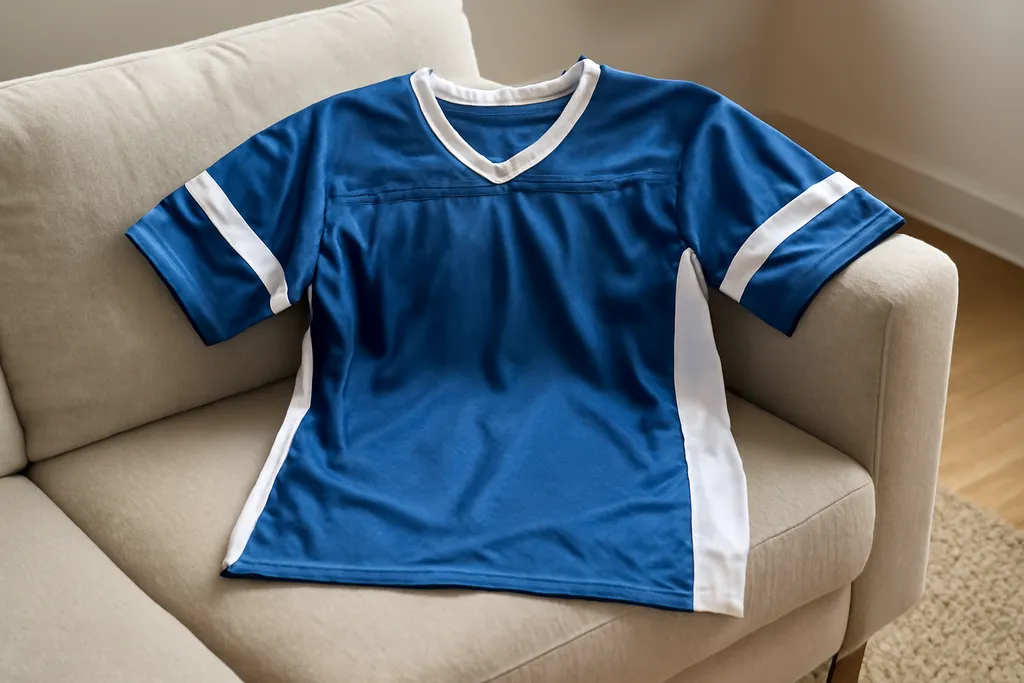
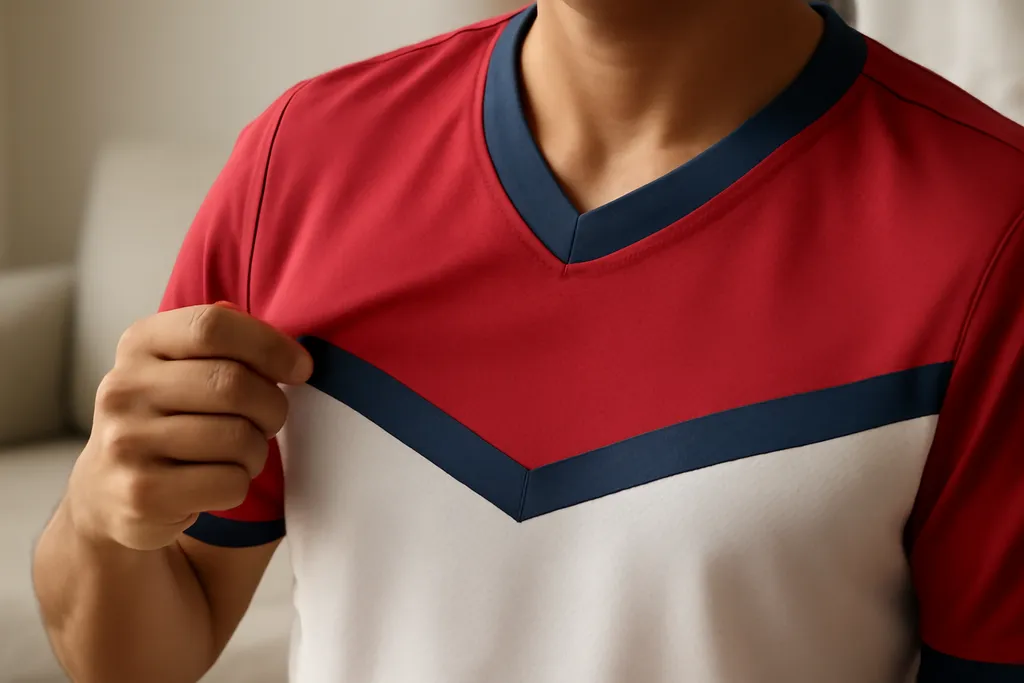
When people shop for a baseball jersey fabric climate match, fabric weight is one of the first details to consider. Fabric weight usually refers to how dense or substantial the material feels, which can influence warmth, airflow, and how the jersey drapes on the body.
In simple terms, lighter fabrics tend to feel breezier and more breathable, while heavier fabrics can feel sturdier and a bit warmer. The best choice depends less on style alone and more on when and where you plan to wear the jersey. A jersey that works well for a summer afternoon may feel too thin for a cool evening game, and a heavier option can be comfortable in mild weather without feeling overbuilt.
Hot and Humid Weather
For hot or humid climates, lighter-weight baseball jerseys are often the more comfortable option. They usually allow more airflow and can help reduce that heavy, sticky feeling that comes from wearing thicker material in warm weather.
Look for breathable constructions and a fabric feel that is smooth rather than dense. Lightweight jerseys can be a smart pick for daytime games, outdoor watch parties, and travel in warm regions. If you live somewhere with a long warm season, prioritizing lower fabric weight can make a noticeable difference in everyday wear.
Mild Spring and Fall Conditions
Mild weather offers the most flexibility when choosing baseball jersey fabric weight. Midweight jerseys often work well here because they balance comfort and structure without leaning too heavily toward either extreme.
For spring and fall, think about layering. A midweight jersey can be worn on its own when temperatures are comfortable, then paired with a hoodie, long-sleeve shirt, or light jacket when the air cools down. This versatility makes midweight fabric a practical choice for fans who want one jersey that can cover a broader range of conditions.
Browse our recommended gear
Our featured picks refresh periodically. While we update them, our editorial buying guides can help you find the right jersey.
See our buying guidesCool Evenings and Colder Climates
In cooler climates, a heavier fabric weight can feel more appropriate, especially if the jersey will be worn outdoors. Thicker material may offer a more substantial feel and can be a better match for evening games, breezy stadium seating, or early-season weather.
That said, a heavier jersey is not the same as outerwear. If temperatures are truly cold, layering remains important. A heavier jersey can still be a strong base piece, but it works best when paired with additional layers that add warmth without limiting movement.
How to Choose the Right Fabric Weight
The easiest way to choose is to start with your climate and your most common wearing scenario. If you plan to wear the jersey mostly in summer heat, lean lightweight. If your seasons are moderate and change often, midweight may offer the best balance. If you expect cooler outdoor use, consider a heavier option.
Also think about how you like your clothing to feel. Some people prefer a jersey that feels barely there, while others like a more structured, substantial garment. Reading product details carefully can help you compare fabric descriptions and find a fit that aligns with your weather and comfort preferences.
Final Takeaway
Choosing the right baseball jersey fabric climate match is really about comfort first. Lightweight jerseys shine in heat, midweight jerseys handle changing seasons well, and heavier jerseys can be a better fit for cool conditions. By matching fabric weight to the weather you actually wear in, you can choose a jersey that feels more comfortable throughout the season.