What actually makes a football jersey worth buying
A good fan football jersey comes down to three things: how it fits your body, how the fabric holds up to wear and washing, and whether the construction matches the price tier you're paying for. It's easy to get distracted by colorways and numbering, but those details matter less than the fundamentals underneath them.
Most fans are shopping for something to wear on game day, not to play in, so comfort and durability generally matter more than on-field performance specs. That changes what "best" means for you: a heavier, more breathable knit that survives a season of tailgates beats a lightweight technical fabric built for actual play.
Game-day fit vs. true-to-size fit
Football jerseys are traditionally cut generously to accommodate pads underneath, which is why fan versions often run larger than a standard T-shirt in the same size. If you're buying to wear casually, sizing down one size from your usual shirt size is common — but always check the specific size chart for the jersey you're considering, since cut varies by manufacturer and style.
Sleeve length and shoulder seam placement are the two most common fit complaints. Look for product photos that show the garment laid flat with dimensions, not just on a model, so you can compare against a jersey you already own.
Fabric and construction basics
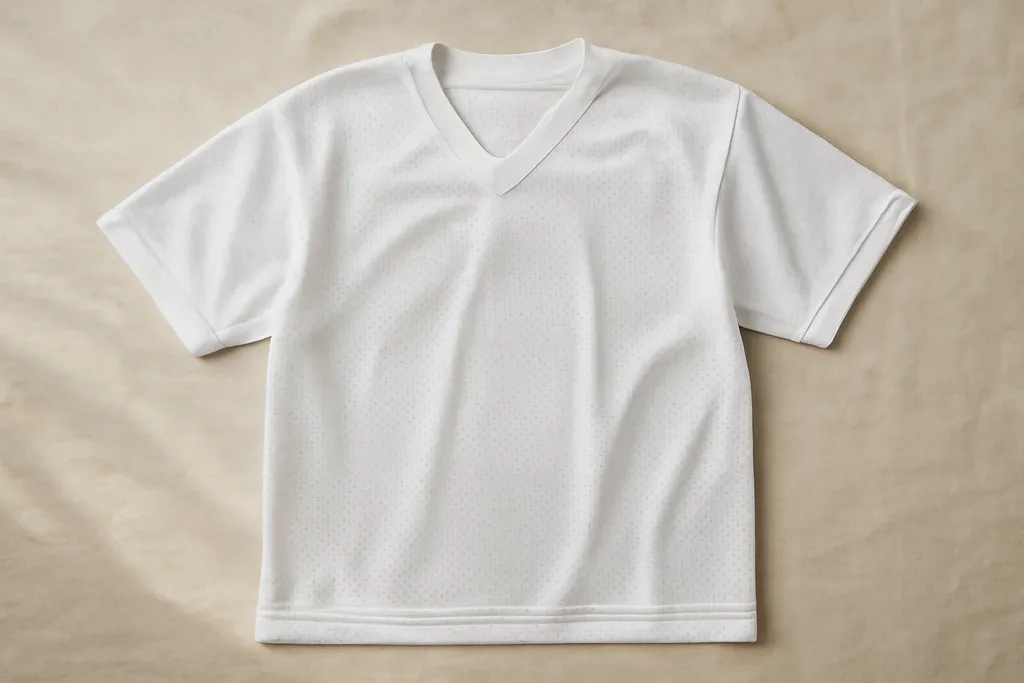
Most fan jerseys are made from a polyester mesh or double-knit fabric. Heavier double-knit fabrics feel more substantial and resist pilling better over time, while lighter mesh breathes better but can look thinner after repeated washes. Check the stitching around the collar and sleeve cuffs — reinforced double-stitching in these high-stress areas is a reliable sign of better construction, regardless of price tier.
Numbers and lettering are either sewn on, heat-pressed (tackle twill or screen print), or embroidered. Sewn-on twill numbering tends to last longest and is standard on higher tiers; screen-printed numbers are common on entry-level jerseys and can crack or fade faster with heavy washing.
Browse our recommended gear
Our featured picks refresh periodically. While we update them, our editorial buying guides can help you find the right jersey.
See our buying guidesVintage and throwback styles
Retro-inspired football jerseys use heritage colorways and simpler graphics, often in heavier cotton-blend or brushed fabrics rather than modern performance mesh. They tend to run truer to standard sizing than current on-field replicas, since they're designed as casual wear from the start rather than adapted from a technical template.
How to choose in five minutes
- Decide whether you want a true-to-size casual fit or an oversized game-day look, and size accordingly.
- Check whether numbering is sewn, heat-pressed, or printed — this affects both price and longevity.
- Look for reinforced stitching at the collar and cuffs in product photos.
- Read the care label before buying if you plan to wash it often; cold wash and air dry preserve prints and twill longest.
- If choosing between two similar jerseys, favor the heavier fabric weight for everyday durability.
Editor's note: Fabric weight and stitching quality tell you more about long-term durability than the price tier alone — always check the product description for material details before buying.