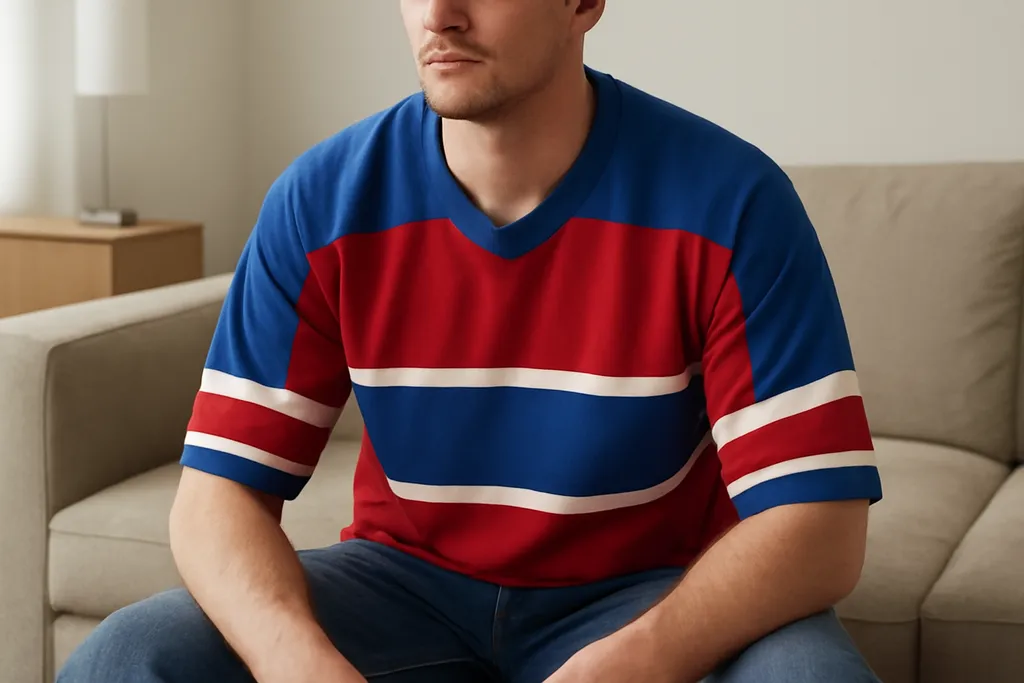
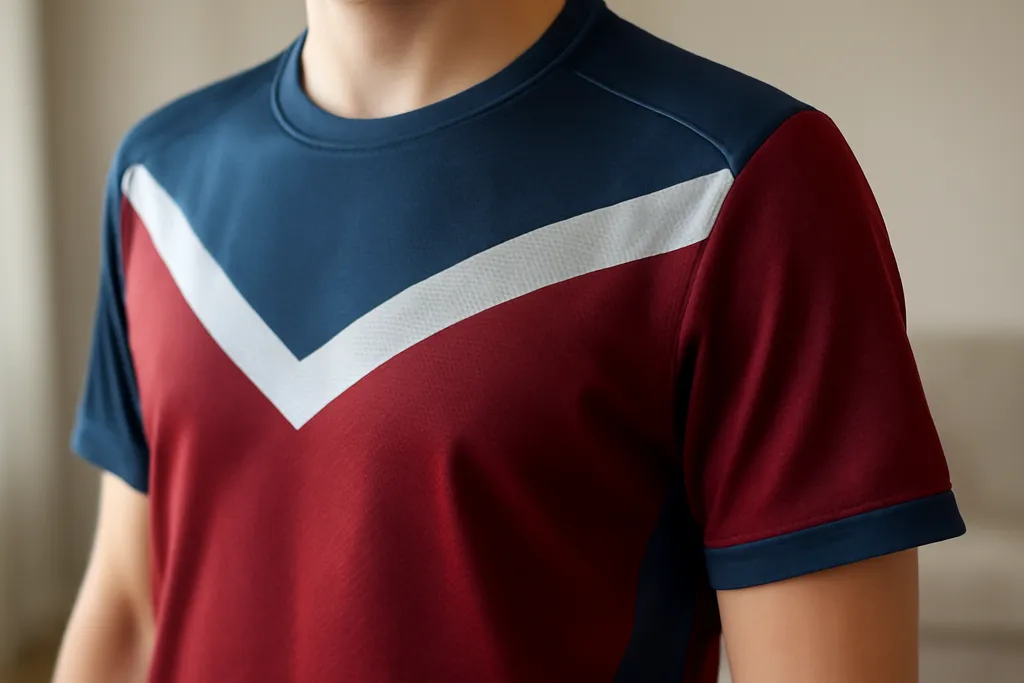
Hockey Jersey Fabric Technology Explained
When people talk about hockey jersey fabric technology, they are usually describing the materials and construction features that help a jersey feel lighter, handle sweat better, and stand up to the demands of the game. Modern hockey jerseys are built for movement, contact, and repeated washing, so the fabric choices matter more than many shoppers realize.
Whether you are looking for a practice jersey, a fan jersey, or something to wear casually, understanding the basics can help you compare options more confidently. The main goals are usually comfort, durability, breathability, and a fit that works well over base layers or pads.
What the Fabric Needs to Do
Hockey is a high-energy sport, so jersey fabric has to do several jobs at once. It needs to move moisture away from the body, allow airflow, resist snags, and keep its shape after stretching and washing. That is a lot to ask from one garment, which is why jersey fabrics are often made from engineered synthetic fibers rather than simple cotton.
In plain terms, the fabric should help a player or wearer stay cooler and drier while also holding up to friction from equipment, gloves, and regular use. For fans, those same features can improve comfort during long events or everyday wear.
Common Materials in Modern Jerseys
Polyester is the most common base material in hockey jerseys. It is popular because it is lightweight, quick-drying, and durable. Many jerseys also use mesh-like knit patterns or textured panels to improve airflow without making the garment too fragile.
Some jerseys include blends or specialty finishes that change how the fabric feels or performs. A smoother knit may feel softer against the skin, while a more open weave can help ventilation. In many cases, the exact fabric structure matters as much as the fiber content itself.
Browse our recommended gear
Our featured picks refresh periodically. While we update them, our editorial buying guides can help you find the right jersey.
See our buying guidesMoisture Management and Breathability
One of the most useful parts of hockey jersey fabric technology is moisture management. Instead of absorbing and holding sweat like heavier natural fabrics often do, performance jersey fabrics are designed to move moisture outward and dry more quickly. That helps reduce the clammy feeling that can happen during intense activity.
Breathability also plays a major role. Mesh zones, lightweight panels, and perforated knit structures can improve airflow across areas that generate more heat. The result is a jersey that feels less restrictive and better suited to active use, especially when layered over other gear.
Durability, Stretch, and Fit
Hockey jerseys are expected to handle pulling, contact, and frequent washing, so durability is a major part of the fabric story. Reinforced stitching, stronger knit construction, and abrasion-resistant surfaces all help extend the life of a jersey. This is especially important around the shoulders, elbows, and seams, where stress tends to build.
Stretch is another important factor. A good jersey should have enough give to move with the body without losing its shape. That balance between structure and flexibility is one reason modern hockey jerseys can feel comfortable both on the ice and off it.
How to Read Fabric Claims When Shopping
When comparing jerseys, look for wording that describes performance features in practical terms: moisture-wicking, breathable, quick-drying, or durable knit construction. These are often the clearest clues to how the jersey is designed to feel in real use. If a listing mentions mesh panels or ventilation zones, that usually suggests an emphasis on airflow.
For most shoppers, the best choice depends on how the jersey will be worn. A player may prioritize durability and moisture control, while a fan may care more about softness, fit, and easy care. Once you understand the basics of hockey jersey fabric technology, it becomes much easier to choose a jersey that matches your needs.