Basketball Jersey Length and Hem Style Differences
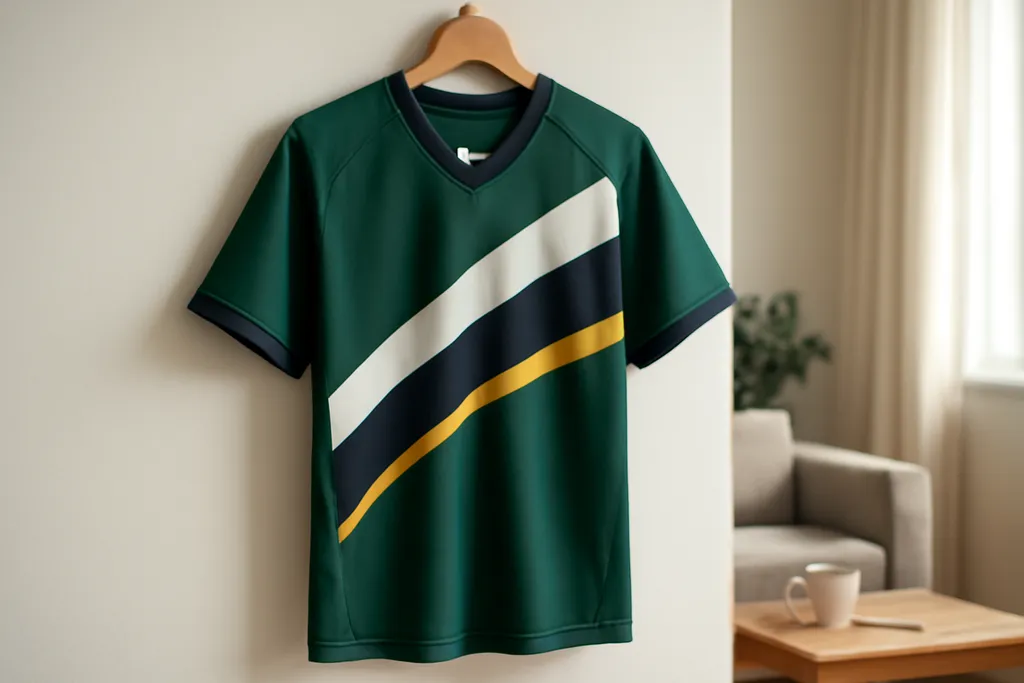
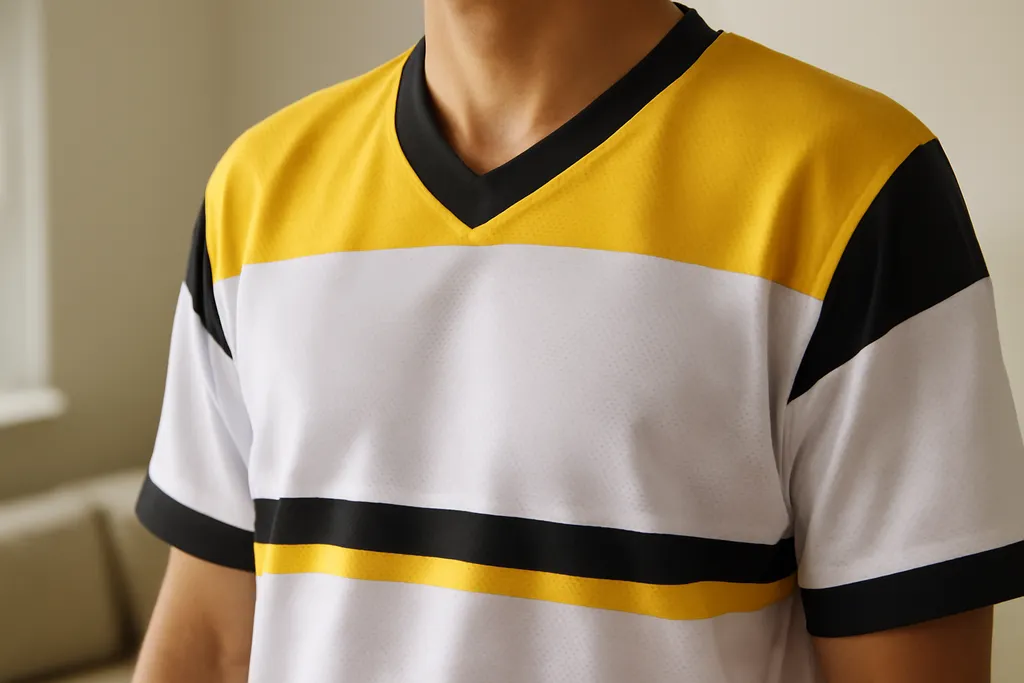
When shoppers compare options using the keyword basketball jersey length hem, the biggest surprise is often how much the silhouette can vary from one listing to another. Some jerseys are described with a longer, looser fit that sits below the waist, while others are cut a bit shorter for a closer athletic look. Even when two products seem similar in photos, the stated length and hem shape can change the overall feel once worn.
Why Length Descriptions Can Look Different
Listing language is not always standardized, so one seller may describe a jersey as “regular length” while another calls a similar piece “extended” or “longline.” These terms can reflect different brand patterns, different intended fits, or simply different ways of measuring the same garment. For buyers, the most useful details are the actual measurements, the size chart, and any notes about how far the jersey falls on the torso.
In practice, basketball jerseys are often designed to allow movement without feeling tight. A longer hem can provide extra coverage during play or casual wear, while a shorter cut may sit cleaner over shorts or layered outfits. The right choice depends on how you want the jersey to drape, not just the name in the title.
Common Hem Shapes You’ll See
Hem style is another detail that can change the look of a basketball jersey. Straight hems are the simplest and usually fall evenly around the bottom edge. Curved hems dip slightly in front or back, which can make the jersey look more relaxed and athletic. Side-split hems, sometimes called vented hems, add small openings that can improve range of motion and reduce bunching at the hips.
Some jerseys also use a slightly longer back hem than front hem, creating a modest drop-tail effect. This can be helpful if you prefer more rear coverage. While these differences may seem subtle in a product photo, they can noticeably affect how the jersey hangs over the body.
Browse our recommended gear
Our featured picks refresh periodically. While we update them, our editorial buying guides can help you find the right jersey.
See our buying guidesHow Fit and Hem Work Together
Length and hem shape should be considered together. A jersey with a longer body and a straight hem may feel more structured, while a shorter jersey with side vents can feel lighter and more flexible. If you like a classic game-day look, you may prefer a hem that stays even and simple. If you want a looser streetwear feel, a curved or split hem can add movement and shape.
It also helps to think about layering. Jerseys worn over hoodies or long-sleeve tops usually benefit from a little extra length, while jerseys worn alone may feel better with a cleaner, shorter finish. In either case, the hem detail affects how the garment settles when you sit, walk, or raise your arms.
What to Check Before Ordering
Before choosing a listing, look for garment measurements rather than relying only on broad terms like “standard fit.” Compare length from shoulder to bottom hem, and check whether the seller notes a curved, split, or straight finish. If the listing includes front and back lengths separately, that can be especially useful for understanding the overall shape.
Photos can help, but they do not always show how the jersey will land on your frame. Reading the sizing notes carefully gives a better picture of whether the design is meant to sit boxier, longer, or more tapered at the bottom.
A Simple Way to Compare Listings
When you are browsing multiple options, focus on three things: total length, hem shape, and intended fit. Those details usually explain the biggest differences between listings that otherwise look similar. Paying attention to the basketball jersey length hem description can help you choose a jersey that matches your comfort preferences and the style you want to wear.
In short, a few inches and a small change in hem design can make a jersey look and feel quite different. Comparing those details up front makes it easier to find a basketball jersey that fits your style, layering needs, and day-to-day use.