What Football Jersey Numbering Usually Means
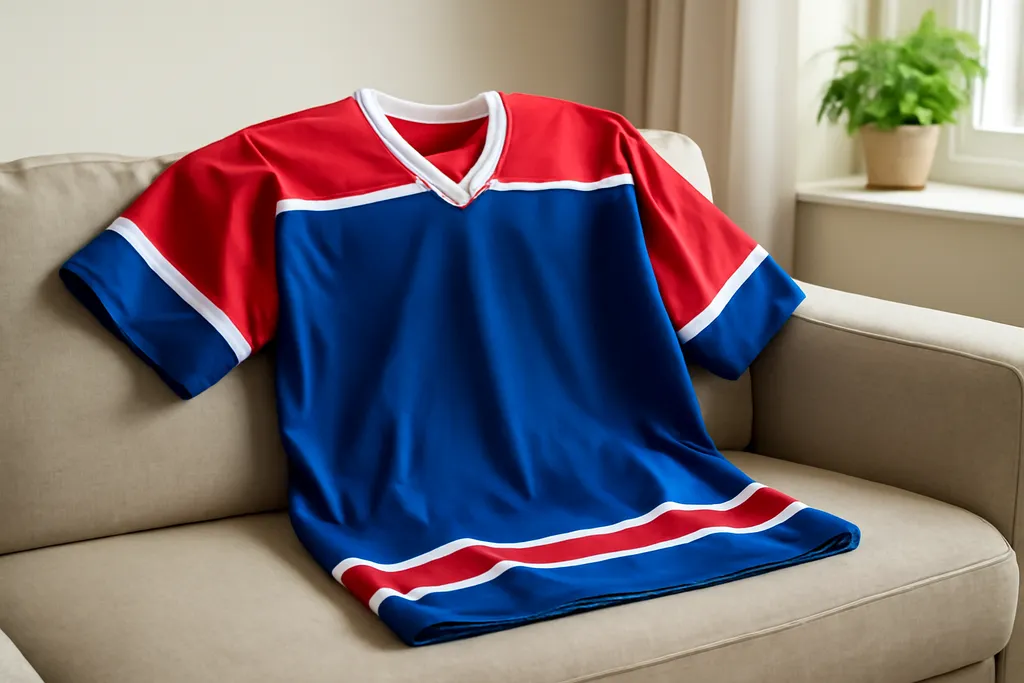
When shoppers search for football jersey numbering size, they are usually trying to understand how large the player numbers should look on the front, back, and sleeves of a jersey. In general, numbering is designed to be easy to read from a distance while still fitting the style of the jersey. The exact look can vary by cut, brand, and whether the jersey is meant for game-day wear, casual use, or fan apparel.
Number size is not just a visual detail. It helps shape the overall balance of the jersey, especially on smaller sizes where large graphics can appear crowded and on larger sizes where numbers may need extra scale to stay proportional.
Typical Number Placement On A Football Jersey
Most football jerseys place the primary number on the front and back, with additional numbering sometimes appearing on the sleeves or shoulders depending on the design. The front number is often centered on the chest, while the back number is placed higher on the upper back so it remains visible above a nameplate if one is included.
Sleeve or shoulder numbers, when present, are usually smaller than the main numbers. Their role is decorative and functional, helping the jersey look complete while keeping the main identification marks easy to read.
How Number Size Can Affect Fit And Style
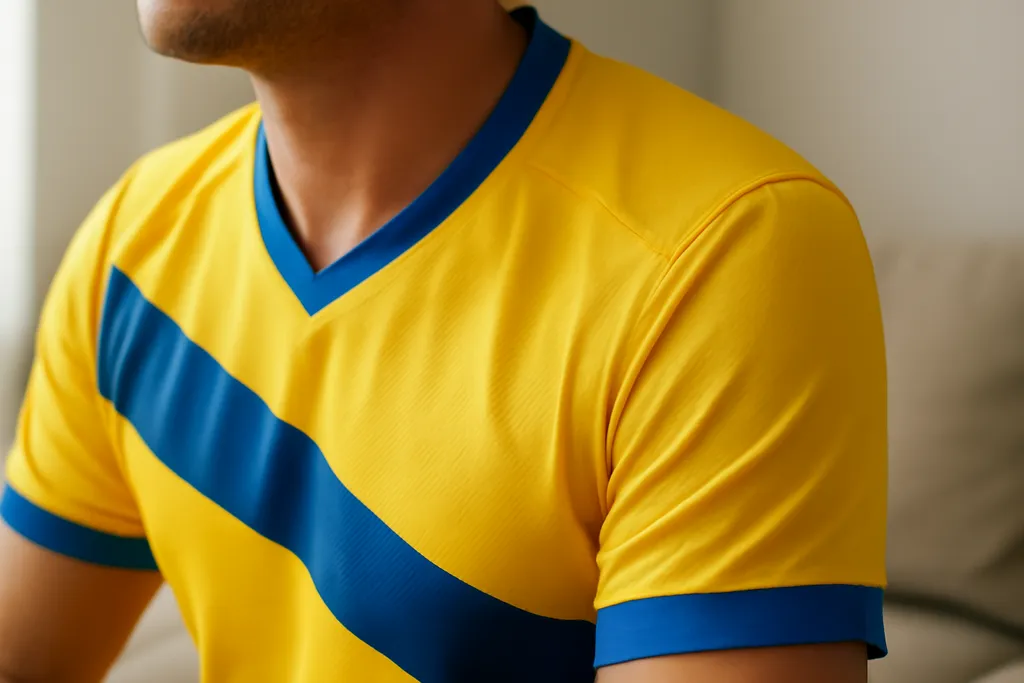
Numbering size can influence how a jersey feels visually, even when the fabric fit stays the same. Oversized numbers may create a bold, authentic look, while smaller numbers can make a jersey feel cleaner or more understated. If the jersey has a tighter athletic cut, large graphics may sit closer to the body and appear more compressed. A looser fit can provide more visual space for numbering and lettering.
For shoppers comparing options, it helps to check product images from multiple angles. Front-view photos show chest proportion, while back-view photos help you judge whether the numbering appears tall, wide, or more compact than expected.
Browse our recommended gear
Our featured picks refresh periodically. While we update them, our editorial buying guides can help you find the right jersey.
See our buying guidesWhat To Check In Product Descriptions
Because styles vary, the best way to understand football jersey numbering size is to look for measurements, size charts, and item notes in the product description. Some listings mention approximate number dimensions, while others focus on garment measurements such as chest width, body length, or sleeve length. Those details can help you estimate whether the jersey will look fitted, standard, or relaxed.
It is also useful to compare the jersey’s design with your intended use. A jersey worn over layers may benefit from a roomier fit, while one worn as a lighter fan piece may feel better with a closer cut.
Choosing The Right Look For You
If you want a classic on-field style, look for jerseys with prominent front and back numbers and a balanced placement that follows the shape of the torso. If you prefer a more casual look, a simpler numbering layout may suit your style better. Either way, the goal is to find a jersey where the number size feels proportional to the body of the garment.
In short, football jersey numbering is about visibility, balance, and comfort in appearance. Paying attention to placement and measurements can make it easier to choose a jersey that matches your preferences without surprises when it arrives.